
How Long Italian Cured Meat Keeps, and How to Store It
Whole against sliced, dry-cured against cooked, and why wrapping in plastic film is the most common mistake. Keeping times and failure signs for each type, and why to buy only what you will use.
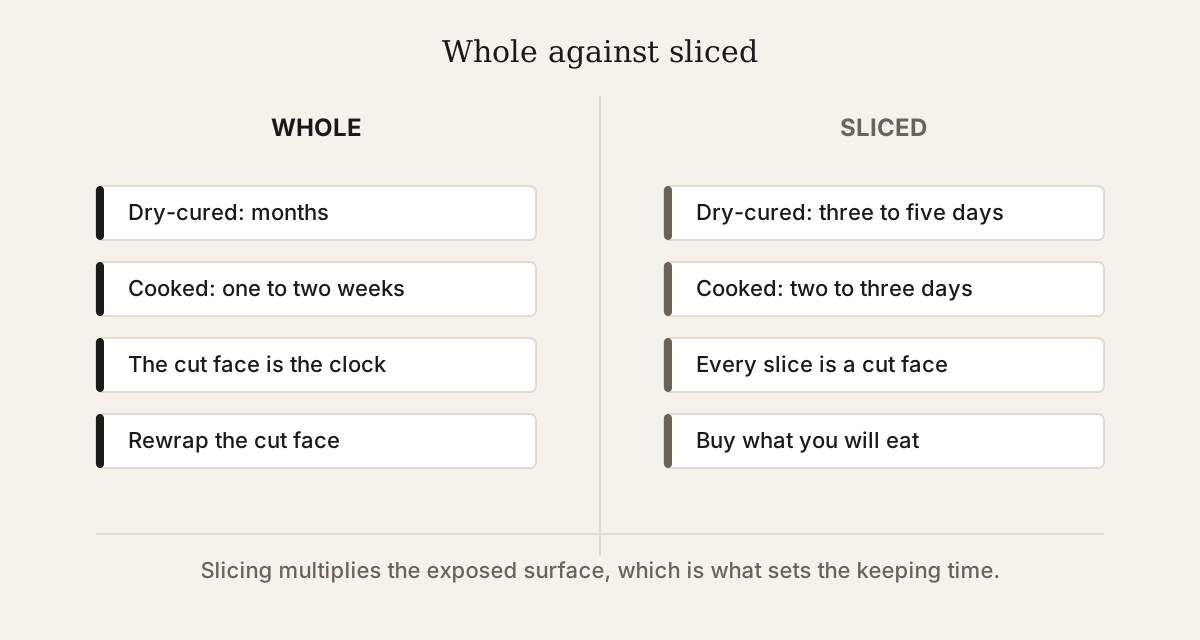
Whole dry-cured salumi keeps for weeks refrigerated in paper, sliced dry-cured meat keeps a few days, and cooked products like mortadella keep least of all. The single decision that matters most is paper rather than plastic film, and almost everyone gets it wrong. Storage is where the quality you paid for is kept or lost.
Cured meat is preserved food that has already done its preserving. Storage is about not undoing that, which is a different problem from keeping fresh meat safe.
Why paper and not plastic film
Cured meat continues to lose moisture slowly, and it needs somewhere for that moisture to go. Plastic film traps it against the surface, which produces surface mould, a slick texture and a faint plasticky note near the wrapping.
Butcher paper, parchment or dedicated cheese paper are all correct. They let the surface breathe while slowing the drying enough that the meat does not harden.
A loose outer layer of foil over the paper is useful for anything with a cut face, because it slows drying further without sealing.
Vacuum packing is different from film wrapping and is fine for storage, since the meat is not sitting against trapped moisture. Once a vacuum pack is opened, move the contents to paper.
The exception is anything already sliced and packed by the producer. Leave it in its packaging until you open it, then rewrap in paper.
Whole dry-cured pieces
A whole guanciale, pancetta, soppressata or piece of lardo keeps for many weeks refrigerated in paper, and it firms up rather than spoiling.
These products were preserved to last. Salt, time and reduced water activity are doing the work, and refrigeration is slowing an already slow process rather than preventing spoilage.
Once you cut into it, wrap the cut face closely. The face dries and darkens, which is normal and is dealt with by trimming a thin slice before the next use.
Firming is not failure. A piece that has become harder than when you bought it has continued to cure. It is still good, and it is better suited to grating or to cooking than to slicing thin.
Failure signs. A sour or ammoniac smell. Slimy texture. Fuzzy green or black growth, as opposed to the powdery white bloom that belongs on dry-cured salami and can be wiped off with a vinegar-dampened cloth.
Sliced dry-cured meat
Sliced prosciutto, soppressata or bresaola keeps two to four days with any quality, and it is best on the day it is sliced.
The reason is surface area. A whole piece has a small surface exposed to air; the same weight sliced has an enormous one, so aroma and moisture leave quickly and oxidation proceeds.
Keep slices flat and interleaved rather than compressed into a ball, which is how they usually arrive home from a counter. Compressed slices stick, tear when separated and dry unevenly.
Bring them to room temperature for fifteen minutes before eating. Cold flattens both the aroma and the texture of the fat, and a good prosciutto served straight from the refrigerator tastes like a mediocre one.
Buy what you will eat. This is the single most useful habit with sliced salumi, and the reason counters will happily cut small quantities.
Cooked products
Mortadella and other cooked salumi keep only a few days once cut and do not improve with keeping, because they are high-moisture products that were never dried.
Mortadella in particular has a large cut face relative to its life. It should be bought sliced to order in the quantity you will use within about three days.
Do not freeze cooked salumi. The emulsion separates on thawing and the silky texture, which is the whole reason for buying good mortadella, is the first thing lost.
Failure signs are earlier and less dramatic than for dry-cured. A dulling of colour, a slight surface tackiness and a flat smell all arrive before anything obviously wrong.
Freezing, and when it is worth it
Freezing works acceptably for whole dry-cured pieces destined for cooking, and poorly for everything else.
Worth freezing. Whole or portioned guanciale and pancetta, because their firm fat survives well and they are going into a hot pan anyway. Portion before freezing and thaw in the refrigerator.
Not worth freezing. Anything to be eaten raw and thin. Prosciutto, lardo and sliced salami all lose the texture that justified their price.
Never freeze cooked products. Covered above.
The room-temperature question
A whole dry-cured salume can hang at cool room temperature, and in Italy commonly does, but most kitchens are not the right room.
The conditions that make it work are a steady cool temperature and moderate humidity. A modern heated kitchen is warm and dry, which hardens the outside while the inside stays soft, producing exactly the rim-hard, centre-soft result that indicates a bad cure.
Refrigeration is the reliable choice in a normal home, accepting that it firms the meat slightly faster than ideal.
A cool cellar or garage in winter is genuinely better if you have one and can keep it consistently cool.
Frequently asked questions
Why is there white powder on my salami?
It is a surface mould culture, usually a penicillium strain, deliberately encouraged during curing to protect the meat and regulate moisture loss. It is normal, harmless and a sign of a properly made dry-cured product. It can be left alone or wiped off with a cloth dampened in vinegar before slicing.
Can I still eat cured meat that has hardened?
Yes, hardened cured meat is still edible. Hardening is continued curing rather than spoilage, and the piece is safe. It will be less pleasant sliced thin and better suited to grating, dicing into a cooked dish, or rendering if it is a fatty cut. Trim any face that has darkened significantly before using it.
How long does sliced prosciutto keep?
Two to three days refrigerated with real quality, and it is best the day it is cut. The huge surface area created by slicing means aroma and moisture leave quickly. Keep slices flat and interleaved rather than bunched, wrapped in paper rather than film, and buy small quantities more often.
Should cured meat be refrigerated?
In a normal home kitchen, yes. Whole dry-cured pieces can keep at cool room temperature in the right conditions, which means steady coolness and moderate humidity, and a heated modern kitchen provides neither. Refrigeration firms the meat slightly faster than ideal and is far more reliable than the alternative.
What does it mean if my salumi smells sour?
That it has gone, and it should be discarded rather than trimmed. Properly cured meat smells clean, porky and faintly sweet or herbal depending on the seasoning. Sourness, ammonia or any sharp chemical note indicates spoilage, which is uncommon in dry-cured products but does happen when they have been stored wet or sealed in film.
CalItalia Food covers Italian ingredients: what they are, how to tell a good one from an ordinary one, and where to buy them in the United States.