
Carnaroli Rice: Why It Is Called the King of Risotto Rices
Higher amylose than arborio, so it holds its bite while still releasing starch. What carnaroli is, what classico means on the bag you buy, and how to cook and use it.
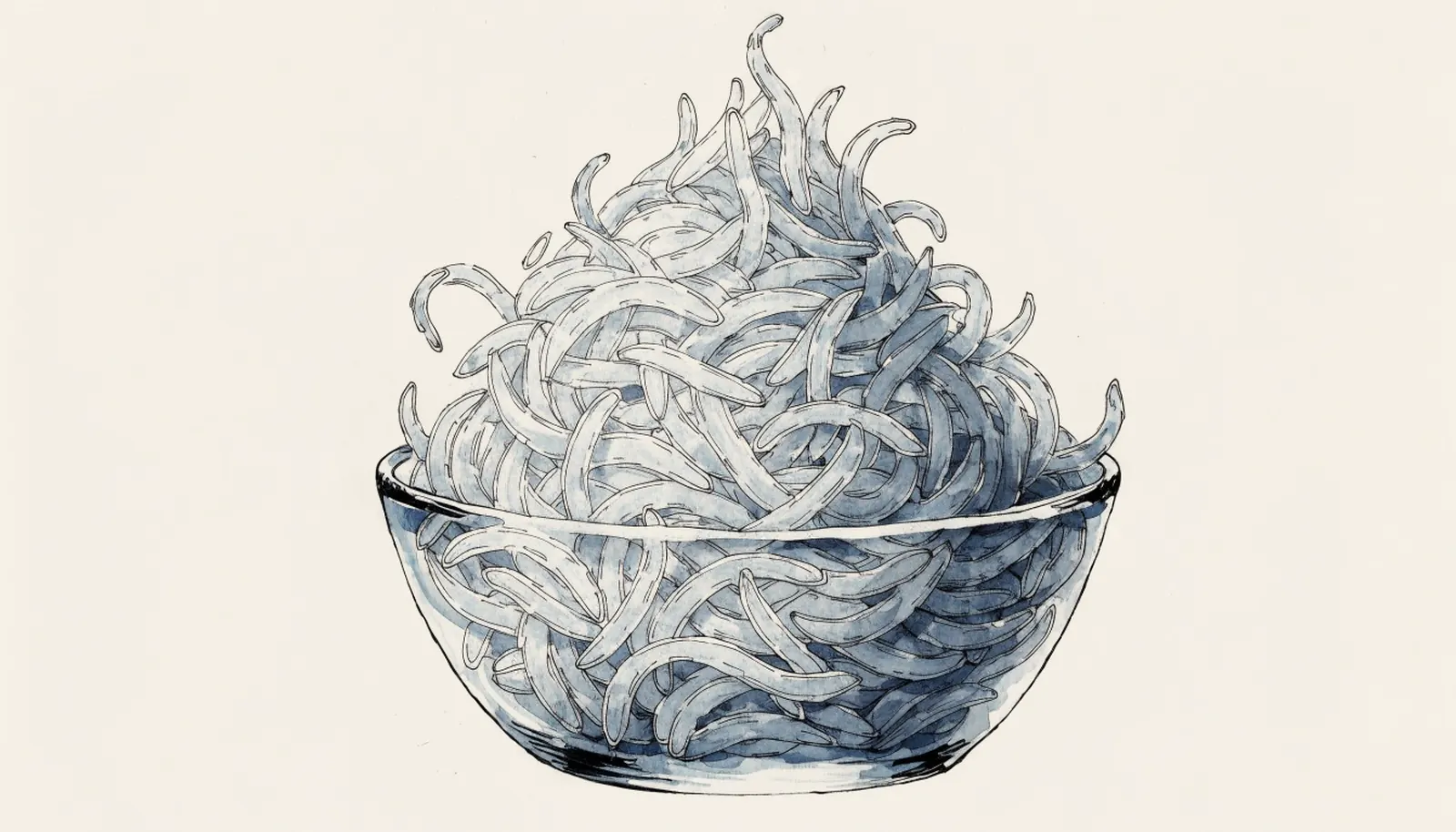
Carnaroli is an Italian medium-grain rice bred in 1945 for risotto, carrying more amylose than arborio, which lets it release starch into the sauce while the grain itself keeps a firm centre. Buying it by name is a small instance of reading an Italian ingredient by its variety.
That combination is why it is more forgiving than arborio and why professional kitchens default to it.
What carnaroli is
Carnaroli is a superfino Italian rice variety, developed in 1945 by crossing vialone and lencino, grown mainly in Piedmont and Lombardy.
Superfino is a size classification, not a quality one. It denotes a long, large grain and says nothing about how the rice was grown or milled. Semifino, the shorter class, is explained with vialone nano.
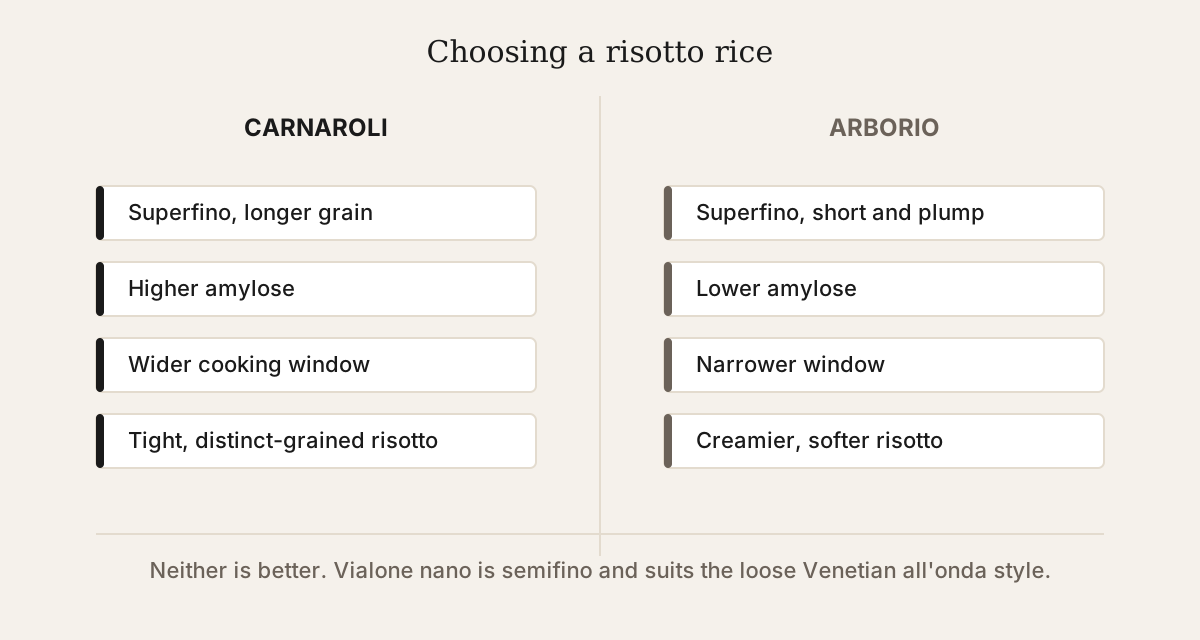
The grain is longer than arborio and slightly more slender.
It is grown in the Po valley, principally in the provinces of Pavia, Novara and Vercelli.
Carnaroli is a variety, not a designation of origin, so rice sold as carnaroli can be grown outside Italy.
Why it behaves the way it does
Carnaroli carries a higher proportion of amylose than arborio, which keeps the grain firm while the outer starch dissolves.
Amylose is the starch that stays put and holds the grain’s structure.
Amylopectin is the starch that dissolves and makes the creamy sauce.
Carnaroli has more of the first, so the centre resists while the surface gives up its starch.
The practical result is a wider window. Arborio goes from underdone to blown out quickly; carnaroli tolerates an extra minute.
It also absorbs more liquid, so a risotto made with it takes marginally more stock.
What classico means on the bag
Carnaroli classico indicates the original unmodified variety rather than one of the later derived lines.
Several varieties are sold as carnaroli, including derived lines such as karnak and carnise, which are easier to grow and higher yielding.
Classico signals the original 1945 variety, and producers who grow it say so.
Both make good risotto. The distinction matters to purists and to producers more than it does to most cooks.
The word carries no legal protection comparable to a DOP, so it is a producer’s claim rather than a certified one.
How to cook it
Toast the grain, add hot stock a ladle at a time, stir enough to release starch, and finish off the heat with cold butter and cheese.
Toast the dry rice in fat for a minute or two until the grains turn translucent at the edges. This step sets the exterior and stops the grain disintegrating.
Use hot stock. Cold stock arrests the cooking each time it goes in and lengthens the process unevenly.
Add it a ladle at a time, waiting until each is mostly absorbed.
Stir regularly rather than constantly. The stirring is what abrades the surface starch into the liquid.
Count on sixteen to eighteen minutes from the first ladle, which is longer than arborio.
Finish off the heat, beating in cold butter and grated cheese, which is the mantecatura and is what makes it glossy.
Buying it
Look for a named variety, a stated harvest year where available, and vacuum packing.
The bag should say carnaroli specifically, not simply risotto rice.
Vacuum packing preserves it better than a paper sack.
Checked on 13 August 2026, United States listings for imported Italian carnaroli clustered between roughly six and eighteen dollars per kilogram, with classico and single-estate rice at the upper end. Counting rule: a listing counts when it is an imported Italian rice sold as carnaroli. That describes what was visible on that date and is not a recommendation of any seller.
Carnaroli grown outside Italy is sold in the United States and is usually cheaper. The variety is the same; the growing conditions are not.
Avoid anything labelled only arborio-style or risotto rice with no variety named.
Storage
Airtight and dark, white carnaroli keeps a year or more, and it does not need refrigeration.
It absorbs odours, so keep it away from strong-smelling foods.
Older rice absorbs more liquid, which is worth allowing for rather than correcting.
It does not spoil under normal storage; it dries further and cooks slightly differently.
Frequently asked questions
Is carnaroli better than arborio?
For risotto it is more forgiving, which is why professional kitchens generally prefer it. Its higher amylose content keeps the grain firm while the surface starch dissolves, so it tolerates an extra minute of cooking where arborio can blow out. Arborio makes excellent risotto in careful hands and is usually cheaper.
What does superfino mean?
Superfino is an Italian size classification for rice grains, denoting long and large. It describes the grain’s dimensions and says nothing about quality, growing conditions or milling. Both carnaroli and arborio are classified superfino.
What is carnaroli classico?
Classico indicates the original carnaroli variety developed in 1945, as distinct from later derived lines such as karnak and carnise that are easier to grow. It is a producer’s claim rather than a protected designation, and both the original and the derived lines make good risotto.
Do I have to stir risotto constantly?
Regular stirring is needed and constant stirring is not. The purpose is to abrade starch from the grain surface into the liquid, and stirring every thirty seconds or so achieves it. Constant stirring makes no additional difference and stops you attending to anything else.
Can I rinse carnaroli before cooking?
Carnaroli should not be rinsed, because rinsing defeats the purpose. The surface starch you would wash away is exactly what makes risotto creamy. Rice for risotto goes into the pan dry and unrinsed, which is the opposite of the handling most other rice dishes want.
CalItalia Food covers Italian ingredients: what they are, how to tell a good one from an ordinary one, and where to buy them in the United States.