
Senatore Cappelli: The Old Wheat Variety on the Pasta Box
A durum variety bred in 1915 and largely abandoned for yield, now revived as a premium pasta wheat. What it is, how to judge the claims, and what to check before you buy.
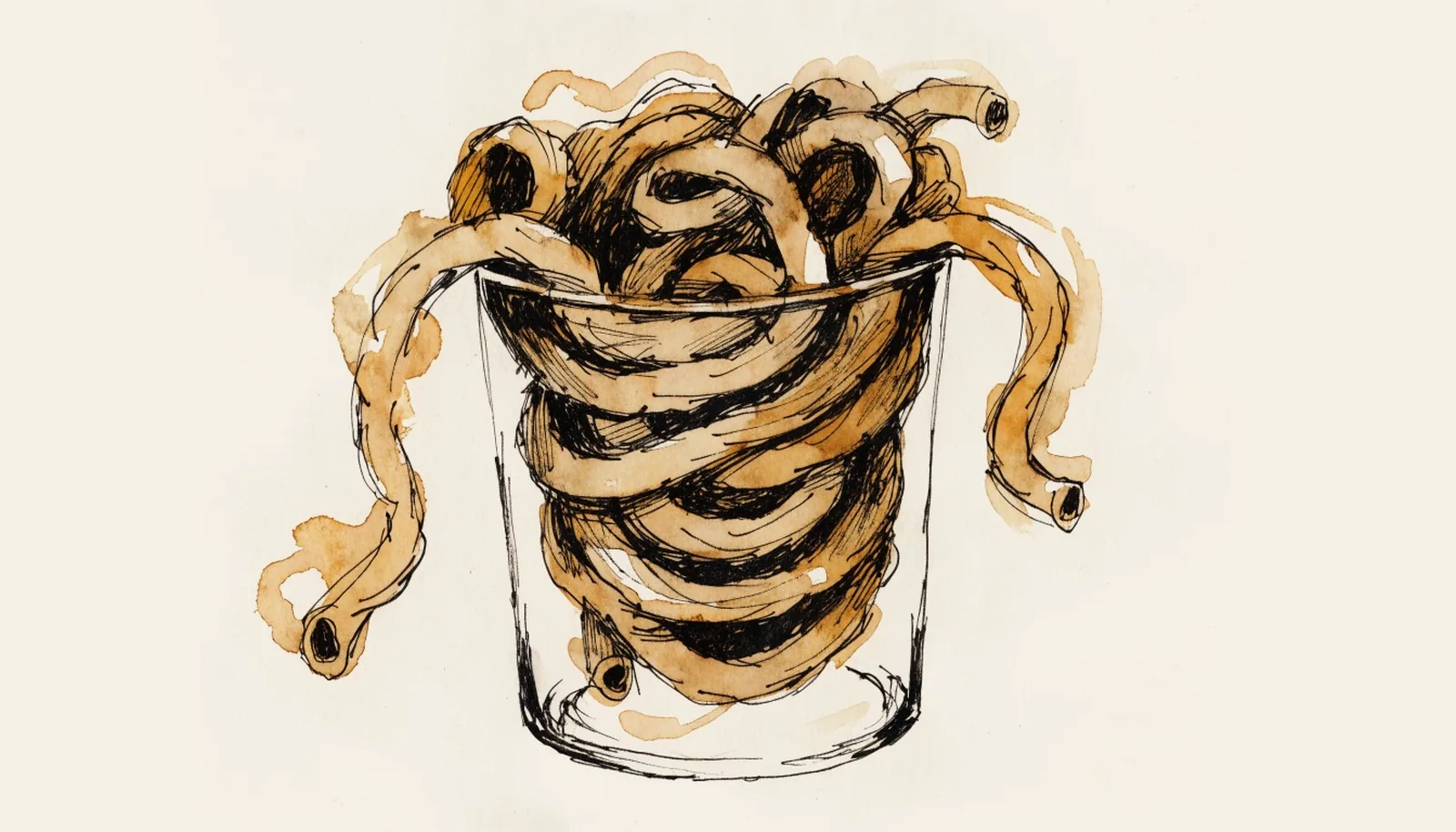
Senatore Cappelli is a durum wheat variety selected in 1915 by the agronomist Nazareno Strampelli, largely displaced by higher-yielding modern wheats and now revived as a premium pasta grain. It is a test case for what a premium Italian claim is actually worth.
The name on a pasta box identifies the wheat variety, which is unusual, and the reason producers state it is that they charge more for it.
What Senatore Cappelli is
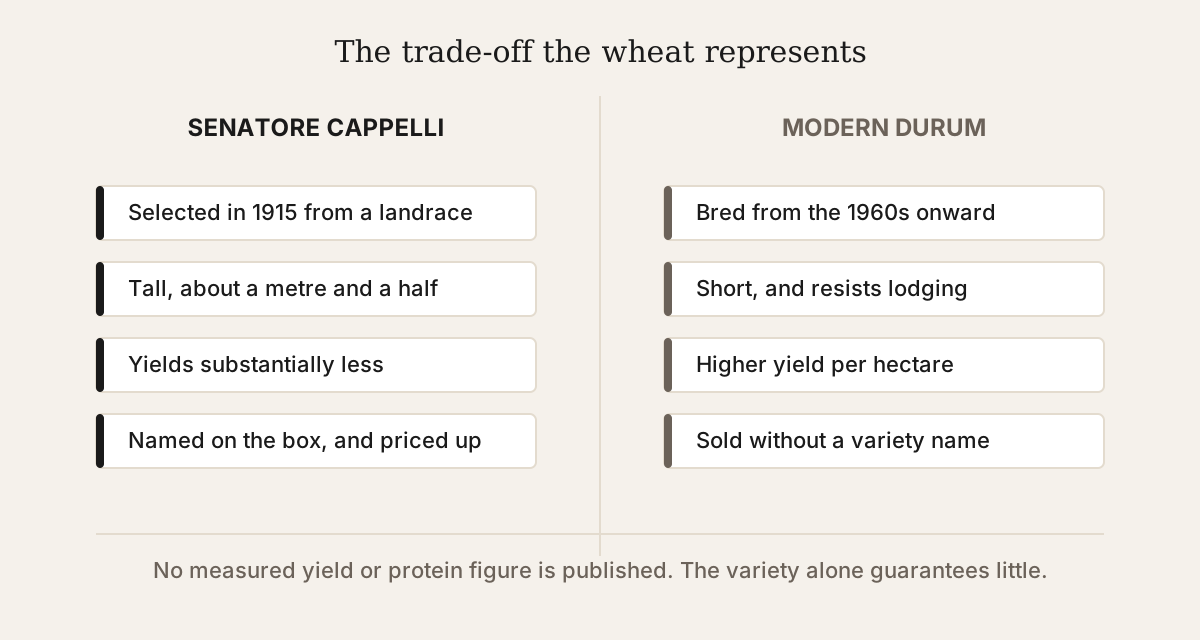
Senatore Cappelli is a durum wheat variety selected by Nazareno Strampelli and released in 1915, named after Senator Raffaele Cappelli, who supported his work.
It is a selection from a North African landrace, not a cross, which makes it an old variety rather than an ancient grain in the sense that einkorn or emmer are.
It grows tall, around a metre and a half, where modern durum is bred short.
It yields substantially less than modern varieties, which is why it was displaced from the 1960s onward.
It is a conventional durum wheat, Triticum durum, and contains gluten like any other.
It is grown mainly in southern Italy, particularly Puglia, Basilicata and Sicily.
Why it was abandoned and why it came back
Senatore Cappelli lost to yield and returned on flavour and marketing, and both movements are straightforward.
The green revolution favoured short high-yielding wheats. Tall varieties lodge, meaning they fall over in wind and rain, and they produce less grain per hectare.
Cappelli was largely replaced by the 1970s.
It returned from the 1990s as interest in heritage varieties grew, supported by producers willing to pay for lower yield.
The revival is genuine and it is also a marketing position, and both things can be true of the same wheat.
What the claims are, and how to read them
Senatore Cappelli is credited with better flavour and easier digestibility, and those two claims sit on very different footings.
The flavour claim is reportable. Producers and cooks describe a fuller wheat taste, and it is a sensory judgement rather than a measurement.
The digestibility claim is widely made and is not something this site evaluates. It is frequently framed around gluten structure or protein composition, and it is not a claim about being gluten free.
Senatore Cappelli is not gluten free and is not suitable for coeliac disease. That is worth stating plainly because the heritage framing invites the confusion.
Protein content is often cited as higher. Figures vary by growing conditions and year, and a single stated percentage on a box describes that producer’s lot rather than the variety.
What to check on the box
The variety name alone tells you little, and the other markers on the box tell you more.
Look for bronze extrusion and slow drying alongside the variety. A heritage wheat extruded through teflon and dried fast at high temperature has been undermined by the processing.
Look for a stated growing region, since Cappelli is grown in specific southern areas. Wheat origin is one of the label points covered in what Made in Italy and Product of Italy claim.
Look for a mill or a farm name. Single-estate Cappelli pasta is a real category.
A box naming only the variety is making the smallest claim available.
Checked on 13 August 2026, United States listings for imported Senatore Cappelli pasta clustered between roughly seven and sixteen dollars for a 500 gram box. Counting rule: a listing counts when it is an imported Italian pasta naming Senatore Cappelli as the wheat. That describes what was visible on that date and is not a recommendation of any seller.
How it cooks
Senatore Cappelli pasta behaves like good durum pasta and is not a different cooking proposition.
Cooking times are conventional for the shape.
It holds a firm bite and generally tolerates a minute either way, which is a function of the protein and the drying more than the variety alone.
The colour is often deeper, a browner yellow, which follows from less refined milling as much as from the wheat.
Cook it as you would any bronze-drawn dried pasta, finishing it in the sauce with cooking water.
Storage
Dried Cappelli pasta keeps two to three years airtight, exactly as any other dried durum pasta.
It is not more fragile than modern durum pasta.
Keep it dry and dark.
It stales rather than spoils, losing aroma over years.
Frequently asked questions
Is Senatore Cappelli an ancient grain?
Not in the strict sense. It is a durum variety selected in 1915 from a North African landrace, so it is an old variety rather than an ancient species. Einkorn, emmer and spelt are ancient grains in the botanical sense; Cappelli is a heritage cultivar of ordinary durum wheat.
Is Senatore Cappelli gluten free?
No. Senatore Cappelli is durum wheat and contains gluten, and it is not suitable for anyone with coeliac disease. Claims about it being easier to digest are a separate matter entirely and are not a statement about gluten content.
Is it worth the extra money?
Whether Senatore Cappelli pasta justifies its price depends on what else the box says. The variety alone guarantees nothing, because a heritage wheat extruded through teflon and dried fast loses most of what it might have offered. Cappelli combined with bronze extrusion, slow drying and a named grower is a meaningfully different product from commodity pasta.
Why was Senatore Cappelli abandoned?
Yield. The variety grows tall, around a metre and a half, which makes it prone to lodging in wind and rain, and it produces considerably less grain per hectare than the short modern durums bred from the 1960s. It was displaced on agricultural economics rather than on quality.
Does Cappelli pasta taste different?
Producers and cooks commonly describe a fuller, more distinctly wheaty flavour, which is a sensory judgement rather than a measured property. The processing usually differs too, since producers who pay for the wheat generally also use bronze dies and slow drying, so it is difficult to attribute the difference to the variety alone.
CalItalia Food covers Italian ingredients: what they are, how to tell a good one from an ordinary one, and where to buy them in the United States.