
Italian Sardines: Reading a Tin, and Why the Date on It Is a Vintage
Tinned sardines from Sicily and the Mediterranean coast. What the packing medium and the fish size tell you, how to judge and use a tin, and why good tins are dated to be aged.
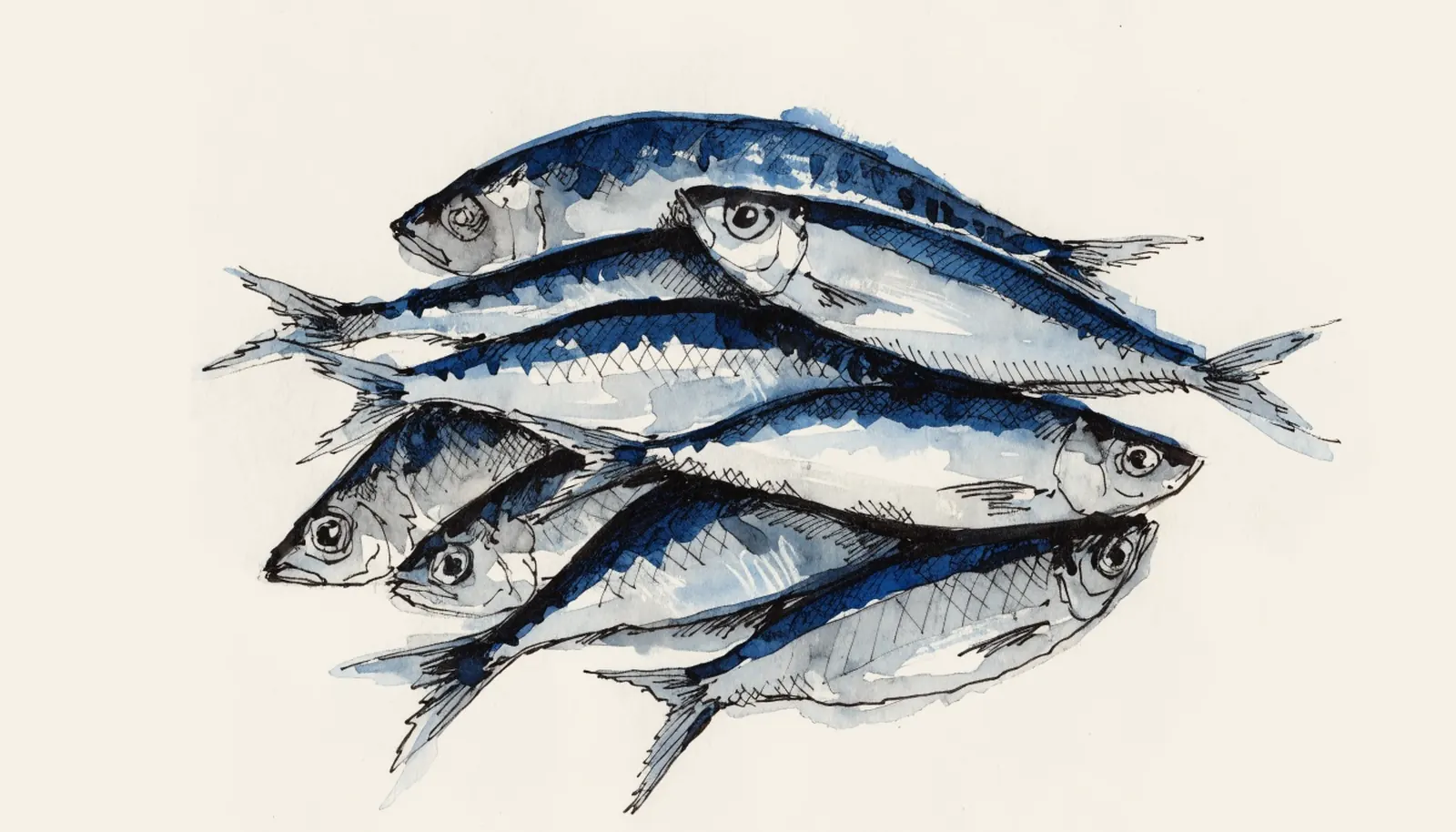
Italian sardines are Sardina pilchardus, caught in the Mediterranean, cleaned and tinned in oil, and the good ones carry a packing date that functions as a vintage rather than an expiry. A properly made tin improves for several years. Reading that date is part of telling a good Italian ingredient from an ordinary one.
That is the fact that changes how you shop for them. Almost everything else in a pantry is bought as fresh as possible, and this is the exception.
What Italian sardines actually are
Italian sardines are small oily fish of the herring family, caught in the Mediterranean, gutted and headed, briefly brined or salted, cooked, and packed in oil in a sealed tin.
Sardina pilchardus is the true sardine. Other small fish are tinned and sold under related names, and the species on the label is worth reading.
Sicily and the southern Tyrrhenian coast are the main Italian sources, along with the Adriatic.
They are cooked before or during canning, either by steaming or by frying, and the method affects the texture.
Packing is in olive oil, sunflower oil or occasionally brine or tomato, and this matters more than most buyers assume.
The fish are small. Mediterranean sardines run smaller than Atlantic ones, which is why an Italian tin holds more fish than a Portuguese one of the same weight.
Sardines are not anchovies. They are a different family, are not salt-cured for months, and taste of fish rather than of savoury cure.
Why the date is a vintage
Good tinned sardines are dated to be aged, which reverses the usual rule.
The fish continues to change in the tin. Enzymes work slowly on the flesh, softening it and letting the oil penetrate, in a process closer to maturation than to spoilage.
Two to five years is the commonly cited window for a well-made tin, and some producers state a recommended drinking window as a wine producer would.
The flesh softens and the flavour rounds. A very fresh tin can taste slightly metallic and firm; the same tin at three years is mellower and more integrated.
Turning the tin occasionally is traditional practice, so that the oil circulates through the fish evenly. Whether it does much is debated and it costs nothing.
This only applies to good tins in good oil. A cheap sardine in poor sunflower oil does not improve; it goes rancid.
Check for a packing date rather than only a best-before, since the producers who intend the fish to age are the ones who tell you when it was tinned.
What the packing medium tells you
The oil is a large part of what you are buying and eating.
Extra virgin olive oil is the premium packing and the oil is genuinely edible and worth using.
Ordinary olive oil is common and fine, contributing less flavour of its own.
Sunflower or vegetable oil is the economy option, and it neither adds anything nor keeps as well.
Brine-packed sardines are leaner and blander, and are the choice for anyone wanting the fish without the oil.
Tomato-packed are a distinct product rather than a lesser one, and they are traditional in southern Italy.
Read the oil before the fish. A good sardine in poor oil is a compromised tin, since the two sit together for years. The same reading applies to a jar of ventresca tuna.
Checked on 13 August 2026, the first page of United States results for italian sardines returned reference material alongside Italian food importers and general retailers, which describes that search on that date rather than recommending any seller.
How to judge a tin
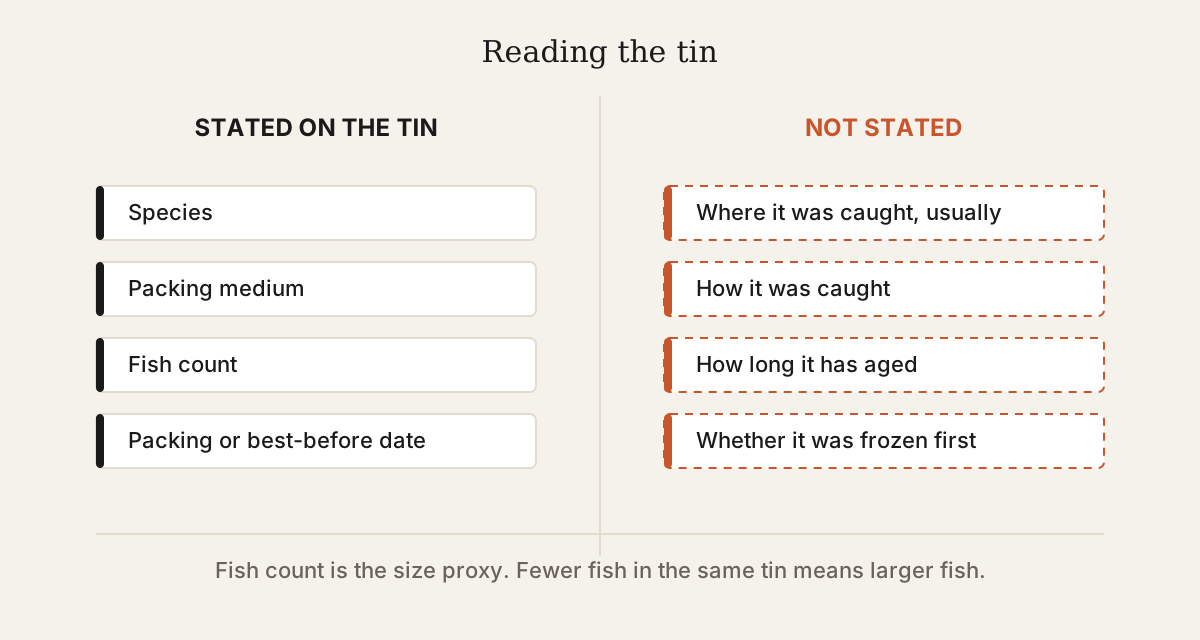
Judge it on the label first, since you cannot see inside.
Look for the species, Sardina pilchardus, rather than a generic sardine claim.
Look for a packing date, which signals a producer who expects the tin to be kept.
Read the oil. Extra virgin olive oil is the mark of a serious tin.
Note the fish count. Fewer, larger fish generally indicates a better catch and more careful packing than many small ones crammed in.
Avoid dented, bulging or rusted tins without exception. A bulge indicates gas from spoilage and is a genuine safety matter rather than a cosmetic one.
Once open, the fish should be intact and firm, silver-skinned, smelling clean and marine. Mushy fish or a rancid smell means a poor tin or a bad one.
What they should cost
Expect roughly 4 to 15 dollars a tin in the United States, which is a wide range and a meaningful one.
The cheap end is machine-packed fish in sunflower oil; the expensive end is hand-packed fish in extra virgin olive oil from a named catch.
The premium is genuinely reflected in the eating, more so than for many pantry items, because there is nowhere for a poor sardine to hide.
Spanish and Portuguese tins compete directly and are frequently better value, since both countries have larger and more developed canning traditions than Italy.
A cheap tin is a fine thing for mashing onto toast with lemon, and is not worth ageing.
How to use them
Eat them from the tin at room temperature, on bread, with lemon and pepper.
Their oiliness wants acid and something plain: lemon, vinegar, a bitter leaf, a piece of good bread, a raw onion.
Take them out of the refrigerator twenty minutes before eating, since cold oil is stiff and the flavour is closed.
Use the oil. It carries flavour and belongs on the bread or in a dressing.
They are excellent on pasta with breadcrumbs, fennel and raisins, which is the Sicilian direction.
Do not cook them hard. They are already cooked, and heating them further breaks them up and dries them.
Mash them with lemon and parsley for the simplest good thing you can do with a cheap tin.
Storage
Unopened, several years in a cool dark cupboard, and good tins improve within that.
Store them lying flat, away from heat and light, and turn them occasionally if you are ageing them deliberately.
Heat is the enemy. A cupboard above a stove will turn the oil rancid within months regardless of the date on the tin.
Once opened, refrigerate and use within two days, transferring the fish and oil to a small jar rather than leaving them in the metal.
Do not freeze them. The flesh, already cooked and soft, collapses entirely.
Discard any bulging tin unopened. This is the one storage rule with a safety consequence.
Frequently asked questions
Do tinned sardines get better with age?
Well-made tinned sardines in good olive oil do improve for roughly two to five years, as enzymes slowly soften the flesh and the oil penetrates, rounding the flavour. Some producers state a recommended window as a wine producer would. This only applies to quality tins; a cheap sardine in poor sunflower oil goes rancid rather than maturing.
What is the difference between sardines and anchovies?
Sardines and anchovies are different fish from different families, prepared quite differently. Sardines are cooked and tinned in oil and taste of fish, and are eaten as a food in their own right. Anchovies are salt-cured for months, developing an intense savoury flavour, and function as a seasoning that dissolves into a dish. They are not substitutes in either direction.
Does the oil in a sardine tin matter?
The packing oil matters a great deal, since the fish sits in it for years and the oil is eaten with it. Extra virgin olive oil is the premium packing and is worth using on the bread or in a dressing. Sunflower or vegetable oil contributes nothing and keeps less well. A good sardine in poor oil is a compromised tin.
Why should I turn a tin of sardines?
Turning a tin occasionally during storage is traditional practice intended to circulate the oil evenly through the fish as it ages. Whether it makes a measurable difference is debated among producers and collectors. It costs nothing and is only worth doing for good tins being deliberately aged, since a cheap tin will not improve regardless.
Are Italian sardines better than Portuguese or Spanish?
Portugal and Spain have larger and more developed sardine canning traditions than Italy and frequently offer better value, so Italian tins are not automatically the better buy. Mediterranean sardines run smaller than Atlantic ones, which is why an Italian tin usually holds more fish at the same weight. Judge on the species, the oil and the packing date rather than on the country.
CalItalia Food covers Italian ingredients: what they are, how to tell a good one from an ordinary one, and where to buy them in the United States.